
 Open the Include360 app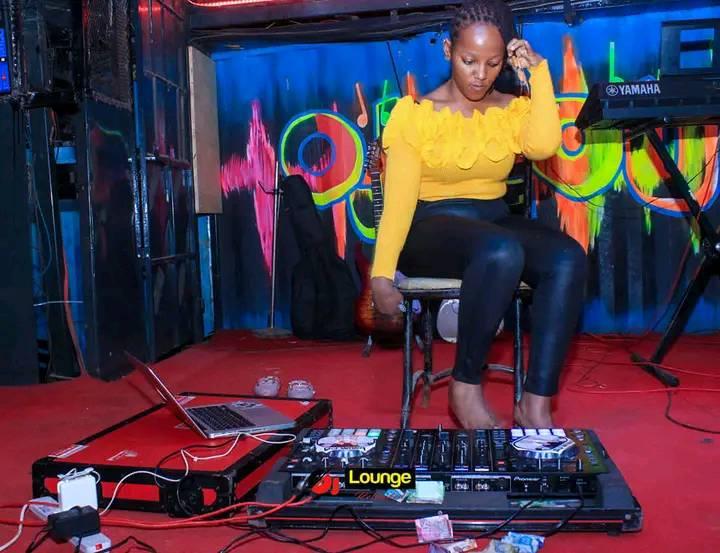
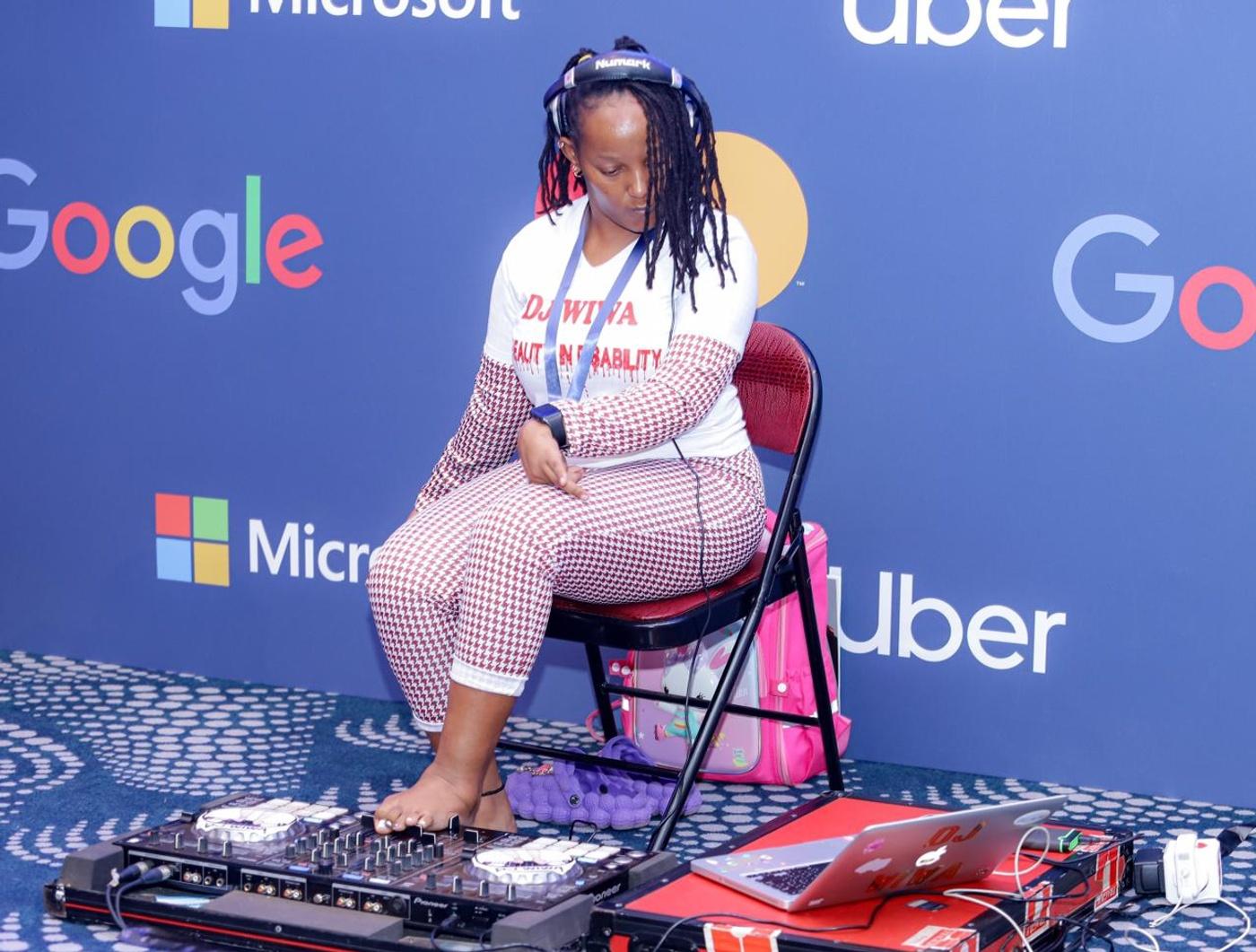
People always stare. When I set up my equipment at an event, when I lower myself into position, when I lift my foot to the turntables — they stare. Some with curiosity. Some with pity. Some with something that looks like doubt. And then the music starts, and something shifts.
“I consider my physical challenge a blessing in disguise, because I don’t think I would have been in this profession, were it not for my condition. Perhaps I would be doing a less interesting job just to please others.”
Where it began: Kirinyaga, my mother, and a dream
I was born Winfred Wanjiku Muchiri in Kirinyaga County, Kenya. I was diagnosed with cerebral palsy at birth — a condition that affected my arms and left my hands disabled. Growing up in Mwea, I never felt different. My mother made sure of that. She gave me chores. She gave me expectations. She gave me the same love and high standards she gave my siblings. She refused to let me live a life defined by limitation.
It was my mother who saw the DJ in me before I did. She heard how I loved music, how I would freeze in the middle of the street when a song hit me right. She suggested I try deejaying. I thought she was joking. She was not. She saved money. She found a school. She pushed me through the door. And then she watched me fly.
Learning the decks with my feet
At the DJ academy in Nairobi, people stared too. But my trainer believed in me. I learned to place my laptop with one foot, control the crossfader with the other, and build a set that could move a room. Within months I was performing. Within years I was an online sensation, with thousands watching my Instagram live sessions in real time, sharing my story, booking me for events.
Kenyan DJs — legends of the scene — showed up at my home with a brand new deck worth Ksh 170,000. They embraced me as one of their own. That moment changed everything.
Getting gigs — the part nobody talks about
The hardest part of my career is not the technical challenge of playing with my feet. It is convincing clients that I can do it. Getting gigs is not easy. People hear my voice — affected by cerebral palsy, slightly slurred — and they hesitate. They question whether I can handle their event. Whether their guests will take me seriously.
But I have performed at the Baobab Summit in Rwanda. At the Beijing+30 Review Consultation in Ethiopia. At the 4th Mount Kenya Sunshine Rally at Embu University. I have played across Kenya, across Africa, and beyond. I have built Wiwa Entertainment, a company that offers deejaying and sound services — and mentors aspiring talents with disabilities, free of charge.
Why I will never stop
Parents come to my shows and tell me that watching me gave them hope for their children with disabilities. That is the thing that keeps me going when the bookings are slow, when the doubt creeps in, when someone tells me I cannot. I believe I have inspired many people to do things they were once afraid of. That is a big achievement. That keeps me going. And I will never stop.
Leave a comment