
 Open the Include360 app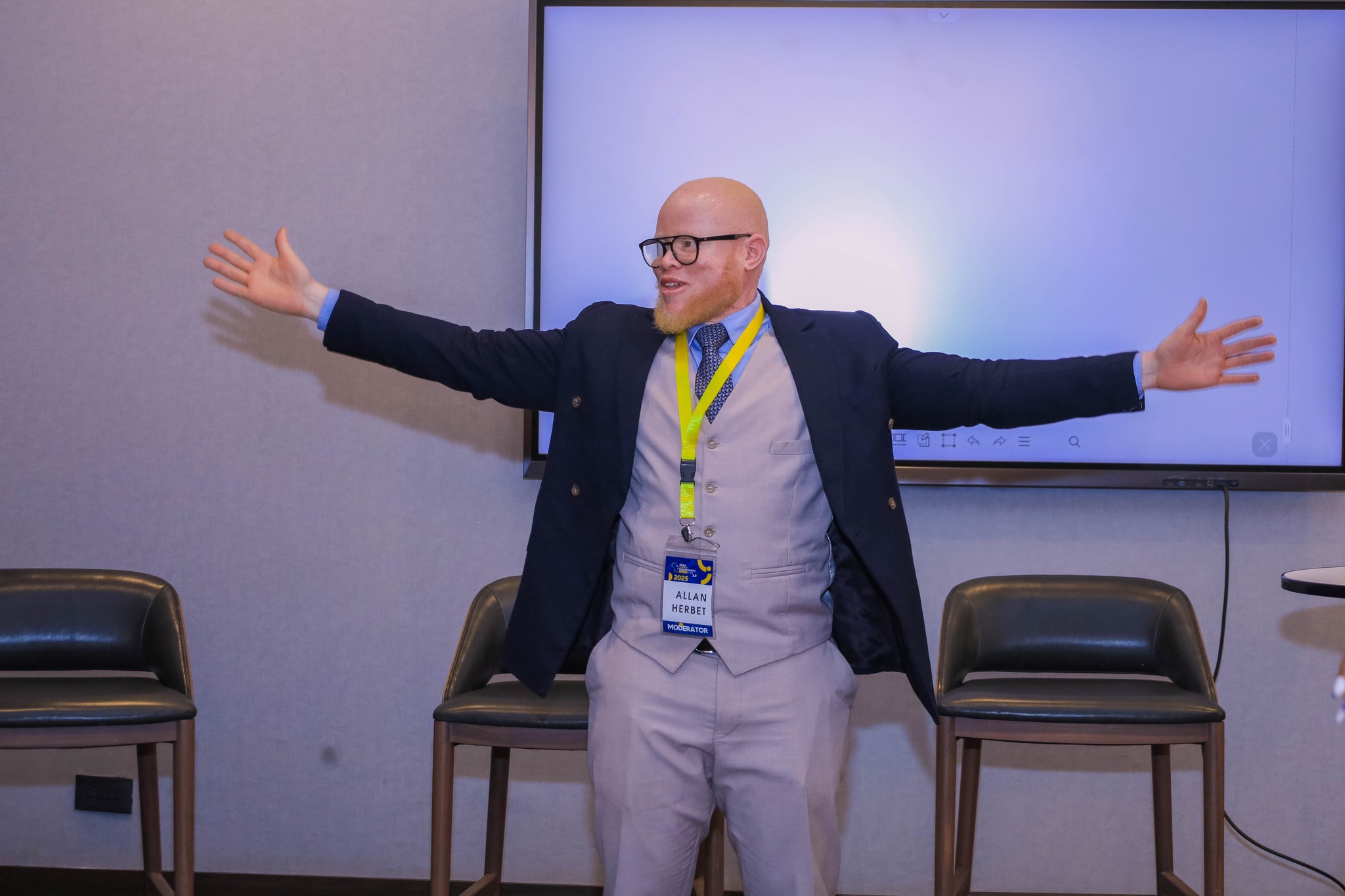
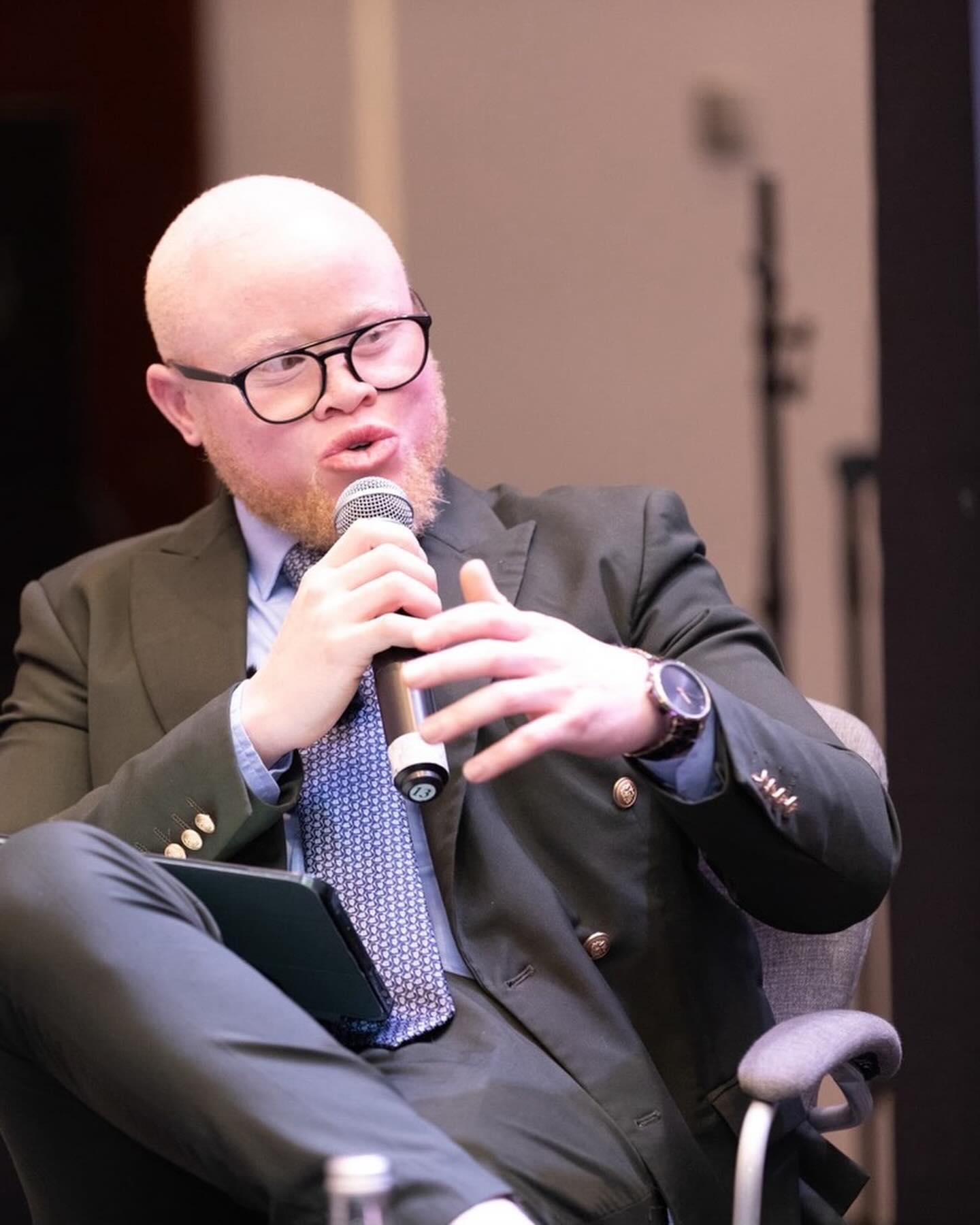
I make this statement as a journalist, as a disability rights advocate, and as a person with albinism who has spent his career trying to get the media — and the world — to see us properly. When I attended the inaugural PAMOJA Critical Minerals Alliance (PCMA) Continental Strategy Planning Workshop in Harare this February, I went not as a guest but as a participant with something to say.
“The central question guiding this workshop — how PCMA can safeguard the rights and dignity of African people while advancing just transitions — cannot be answered without centering persons with disabilities. We are African people. We live in these communities. We have been harmed by these mines. We must be part of building the solution.”
The disability-mining connection nobody talks about
Disability and mining are structurally connected across Africa in ways that rarely make it into policy conversations. Occupational injuries, silicosis and respiratory disease, heavy metal poisoning, and the long-term contamination of water sources and agricultural land produce disability at scale in mining communities. Yet the voices and lived experiences of persons with disabilities remain systematically excluded from policy consultations, benefit-sharing frameworks, and redress mechanisms.
Workers who acquire disabilities through mining are routinely dismissed without adequate compensation or rehabilitation. Environmental harm from mining — contaminated rivers, toxic dust, land degradation — generates disability across generations, including among children. Displacement from mining operations disproportionately strips persons with disabilities of social support networks and access to care.
What I called for — and why it matters
At the workshop I called on PCMA to establish a Disability Justice Pillar in its three-year continental strategy. Not as an afterthought. Not as a box-ticking exercise. But as a recognition that justice in the extractives sector is incomplete without it.
I called for all community consultations to be physically and communicatively accessible — with sign language interpretation, accessible venues, plain language materials, and meaningful representation of disabled persons’ organisations. I called for disability-disaggregated data to be mandated in all environmental and social impact assessments. And I called for accountability mechanisms that specifically address mining-related disability: occupational injury compensation, medical rehabilitation, environmental remediation, and legal redress.
Solidarity is not charity
Disability rights advocates stand in solidarity with workers, women, youth, indigenous communities, and all frontline movements. We recognise our shared struggles against extractivism, exclusion, and environmental harm. We ask only that our solidarity be reciprocated — that the disability community be seen not as a beneficiary group to be served, but as a full and equal partner in this movement.
That is also why Include360 exists. Not to tell our stories for us. But to give us the platform and the tools to tell them ourselves. The world has been talking about us for long enough. It is time to hear from us directly.
Leave a comment