
 Open the Include360 app
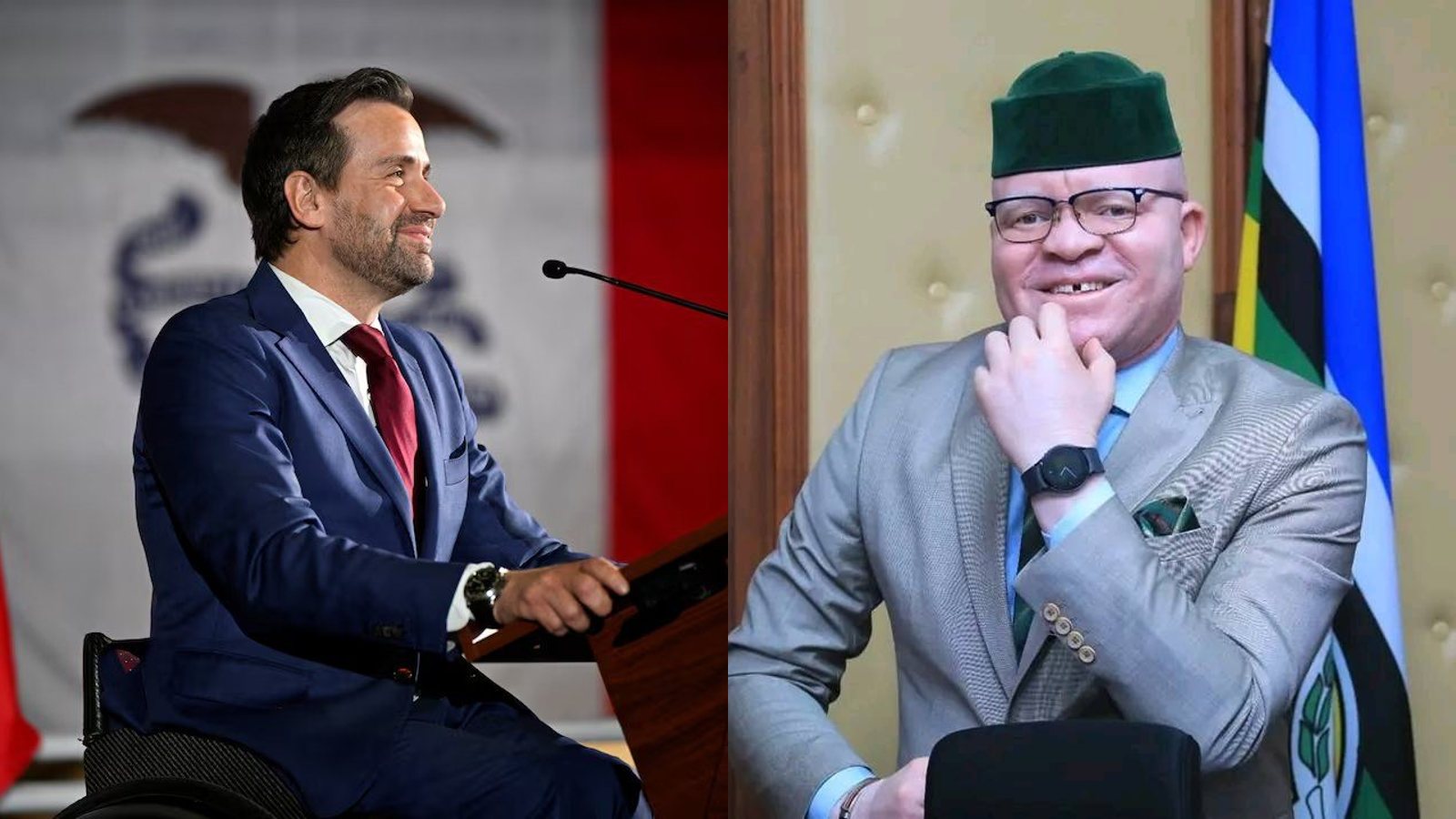
America's midterm elections on 3 November produced a night of political firsts. Deb Haaland became the first Native American woman elected governor. Peggy Flanagan became the first Native American woman in the Senate. Chris Pappas became the first openly gay man elected to the Senate.
Among the winners was Josh Turek, elected to the United States Senate from Iowa, flipping the seat from Republican control.
A long line of leaders
The United States has had leaders with disabilities for generations. President Franklin D. Roosevelt had polio. Senators Tammy Duckworth, Max Cleland and Daniel Inouye served with disabilities from their military service. Each added to a long record of persons with disabilities in public office.
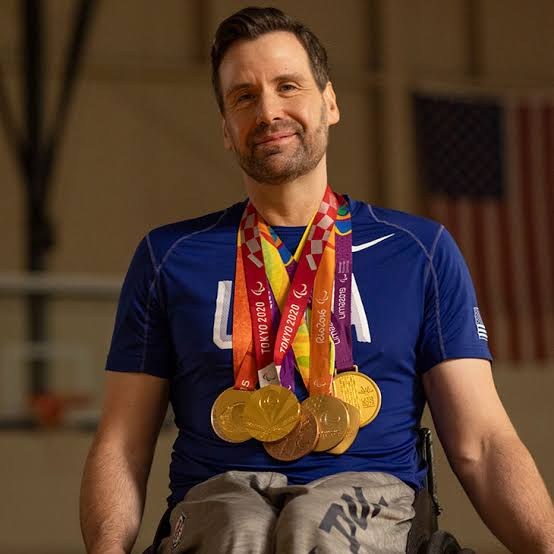
Turek now joins that line. He was born with spina bifida and uses a wheelchair. Before politics, he won gold in wheelchair basketball at the Rio and Tokyo Paralympics.
In 2022, he won a seat in Iowa's state legislature by just six votes after a recount, becoming the first permanently disabled member of the Iowa legislature. Four years later, he is a senator.
Kenya's own ladder
Kenya has its own version of that climb. Hon. Martin Pepela Wanyonyi, a person with albinism, worked as a Programme Officer at the United Disabled Persons of Kenya before entering politics.
He joined the Bungoma County Assembly as a nominated member in 2013. In 2017, he won Ndivisi Ward outright. In 2022, he was elected Member of Parliament for Webuye East.
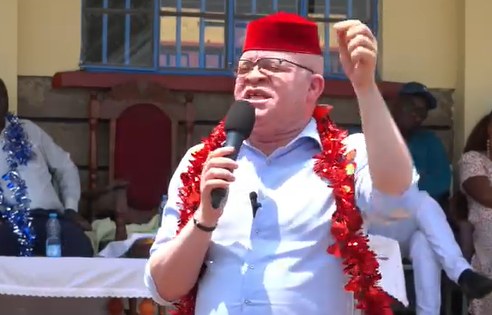
Nominated, then elected, then elected again at a higher level: it is the same ladder Turek climbed.
Five lessons for 2027
1. Build the ladder
Neither man started at the top. Turek won a state seat before the Senate. Martin went from nominated MCA, to elected MCA, to MP.
Each seat builds three things the next one needs: a record voters can judge, a network of people who will campaign for you, and a name the constituency knows. For many candidates with disabilities in Kenya, the ward is the right first step. It is closer to the people, cheaper to contest, and a chance to prove what you can deliver. Martin's story also shows that a nominated seat can be a launchpad rather than a ceiling.
2. Every vote counts
Turek's first race was decided by six votes, after a recount. Margins that close are not rare in local races, in Iowa or in Kenya.
That makes voter registration part of the campaign. Registration continues at IEBC constituency offices. Anyone who first registered before 2012 must register again, and voters can check their details by sending their ID number by SMS to 70000. On election day, a candidate needs trusted agents at every polling station to watch the count.
3. Win the party first
In Kenya, most candidates reach the ballot through a party, and the party's rules decide who gets its ticket. Read your party's nomination rules closely: what primaries cost, how they are run, and what the party offers members with disabilities, including any fee waivers.
All party primaries must be finished by 8 May 2027. Independent candidates must hand in their names and symbols by the same date. For nominated seats, parties submit their lists to the IEBC by 25 June 2027, and where you sit on the list decides whether you get a seat.
4. Run on everything
Disability is part of who a candidate is, not the whole of their platform. A ward needs roads, water, schools, health care and jobs.
A candidate with a disability who speaks to all of that, and who also brings lived experience of being shut out, offers voters something other candidates cannot. The best campaigns treat disability as a strength in the story, not the only story.
5. Make the campaign trail accessible
Party offices, rally grounds, debates, nomination centres and polling stations are often not built for candidates or voters with disabilities.
Ask early for what you need, whether that is a ramp, a sign language interpreter or documents in a format you can read. Put it in writing, to your party and to the IEBC. Where access fails, document it and report it. Every barrier removed for one candidate is removed for the voters behind them.
What's next for Martin?
For persons with disabilities in Kenya, most seats in Parliament and the county assemblies still come through nomination. In past elections, more than 20 of Kenya's 47 county assemblies ended up with no member with a disability.
Martin's climb shows the ballot box is open. The question for 2027 is how far up the ladder he, and others like him, will go.
Are you a person with disability running in 2027? Tell us about your campaign. Everything you need for the election is on our Road to 2027 page.
Comments
No comments yet. Be the first to say something.