This week Kenya marked one year since the death of former Prime Minister Raila Amolo Odinga. The tributes have been about democracy, devolution and the long fight for a new constitution.
We asked a different question: how do persons with disabilities remember him?
Four leaders with disabilities, from Siaya to Machakos, told Include360 what they remember. Their answers were less about speeches and more about structures, seats at the table and being listened to. One of them ended with a question for everyone who now leads.
"We had Baba. He always thought of us."
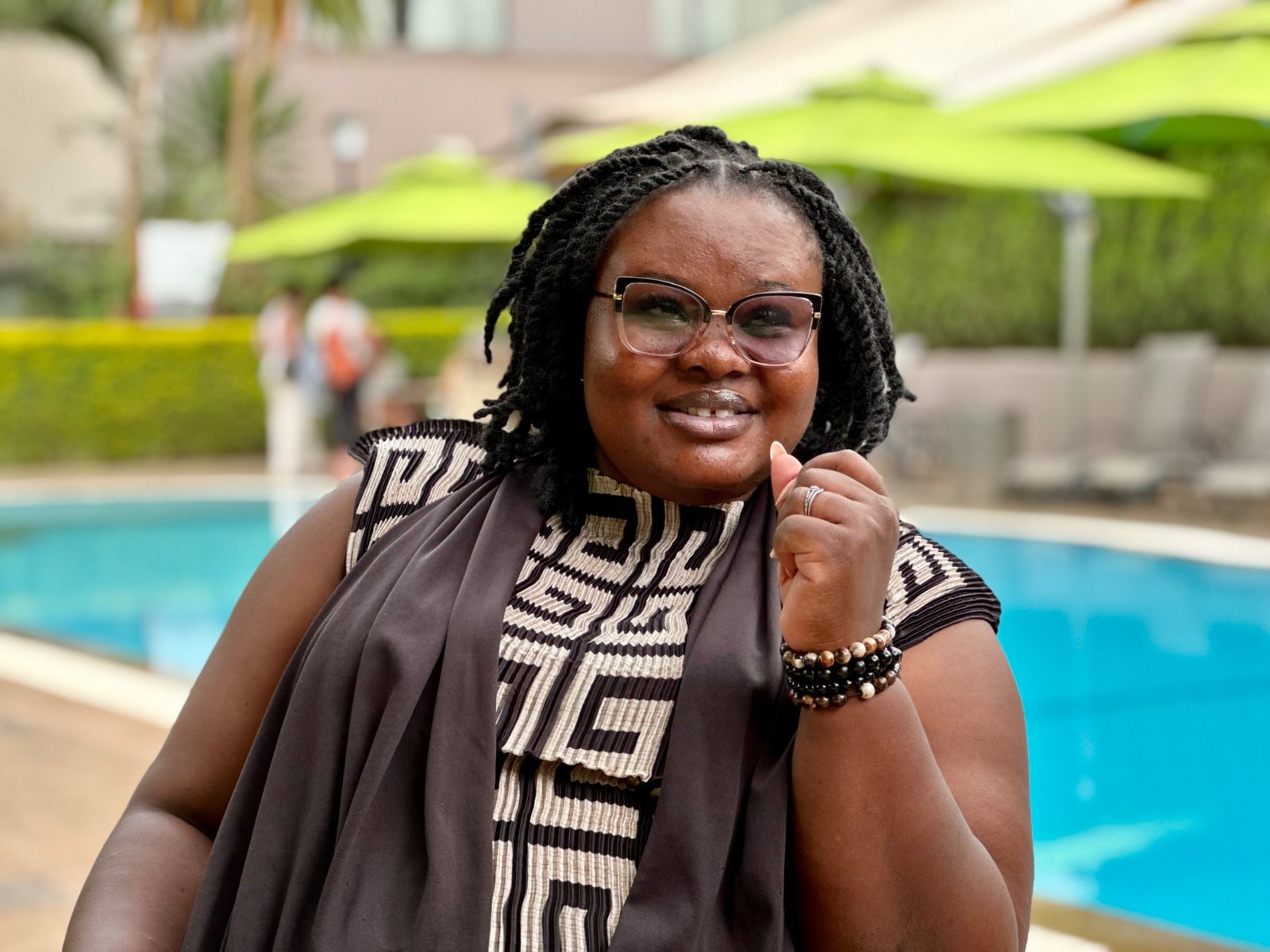
Judy Oyoo (pictured top) joined national politics in 2021, straight from student leadership at university. Her first political home was ODM. It was there, she says, that she found her identity as a person with disability active in politics, through the party's disability league, led by Nicholas Kakiri.
"Beyond being a person with disability, I am a leader who has an opportunity, and also has a space," she says.
What she remembers most is a meeting. Raila came in person to meet the party's members with disabilities, with other party leaders alongside him. "He took his time and made sure that he came, listened to us, listened to what we wanted to talk about," she says.
She also points to the manifesto, which she says set out inclusion for persons with disabilities in leadership, empowerment and jobs, in both the jua kali and the formal sector.
Her tribute ends with a question for those who now lead.
"We had Baba, he always thought of us. Are you also able to think of us?"
Building it into the party
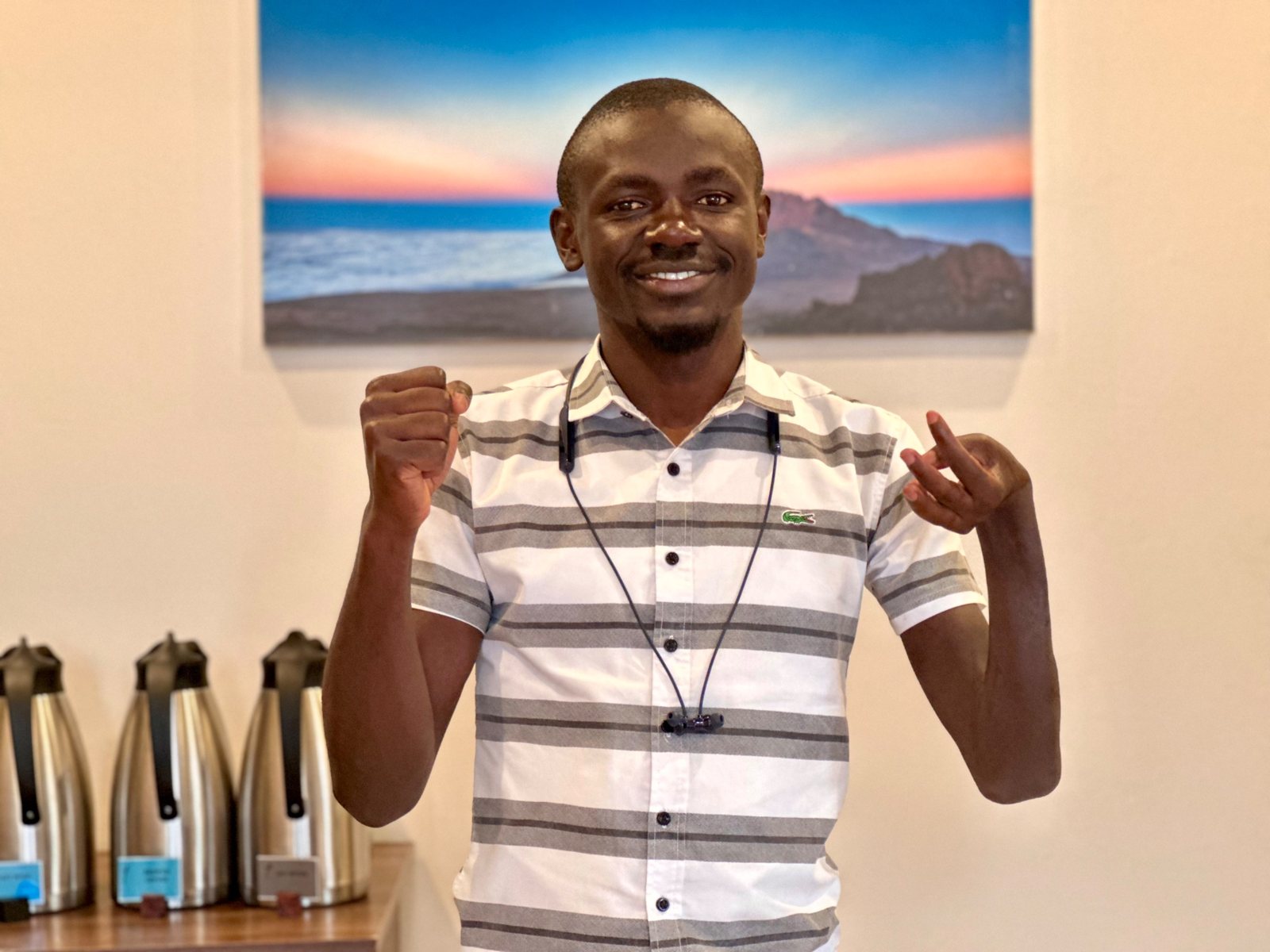
Joseph Owino works with the Kenya Disability Parliamentary Association (KEDIPA) on advocacy and partnerships. He remembers Raila for putting disability inside the structures of power, not just in speeches.
As Prime Minister, Owino says, Raila was the first to bring an adviser on the affairs of persons with disabilities into his office. That adviser was Isaac Mwaura.
Mwaura's path since then shows what one appointment can open up. A person with albinism and co-founder of the Albinism Society of Kenya, he served as Senior Adviser on Special Interest Groups in the Prime Minister's office from 2010 to 2012. In 2013, ODM nominated him to the National Assembly, making him Kenya's first Member of Parliament with albinism. He was later nominated to the Senate to represent persons with disabilities, and in October 2023 he rose to the office of Government Spokesperson. In July 2026 he was named Head of the Office of Diversity, Inclusion and Disability Rights in the Executive Office of the President.
Owino also points to Tim Wanyonyi, who has represented Westlands in the National Assembly on an ODM ticket since 2013. Wanyonyi, who founded the Kenya Paraplegic Organisation, has served in Parliament as a person with disability since he was first elected.
Inside ODM, Owino says, persons with disabilities were written into the party's leadership and operations, alongside its women's and youth leagues. He says other political parties later copied that model, and that the party's nomination slots reached persons with disabilities and communities from across the country.
"We really lost when he left us," he says. "But we're hoping that his legacy lives."
From the Constitution to the ballot
Much of what these leaders describe sits on a foundation laid in 2010. Raila was Prime Minister when Kenyans voted in the new Constitution, which he campaigned for.
That Constitution gave persons with disabilities rights that politics now has to answer to. Article 54 sets out their rights to dignity, access and participation, and requires the State to progressively ensure that at least five per cent of members of elective and appointive public bodies are persons with disabilities. Articles 97 and 98 reserve nominated seats in Parliament for special interest groups, including two Senate seats for persons with disabilities, one for a man and one for a woman.
Those seats are filled through party lists. That is why the leaders we spoke to keep returning to how parties treat members with disabilities: who gets nominated, who gets heard, and who gets backed.
"The academy of Raila"
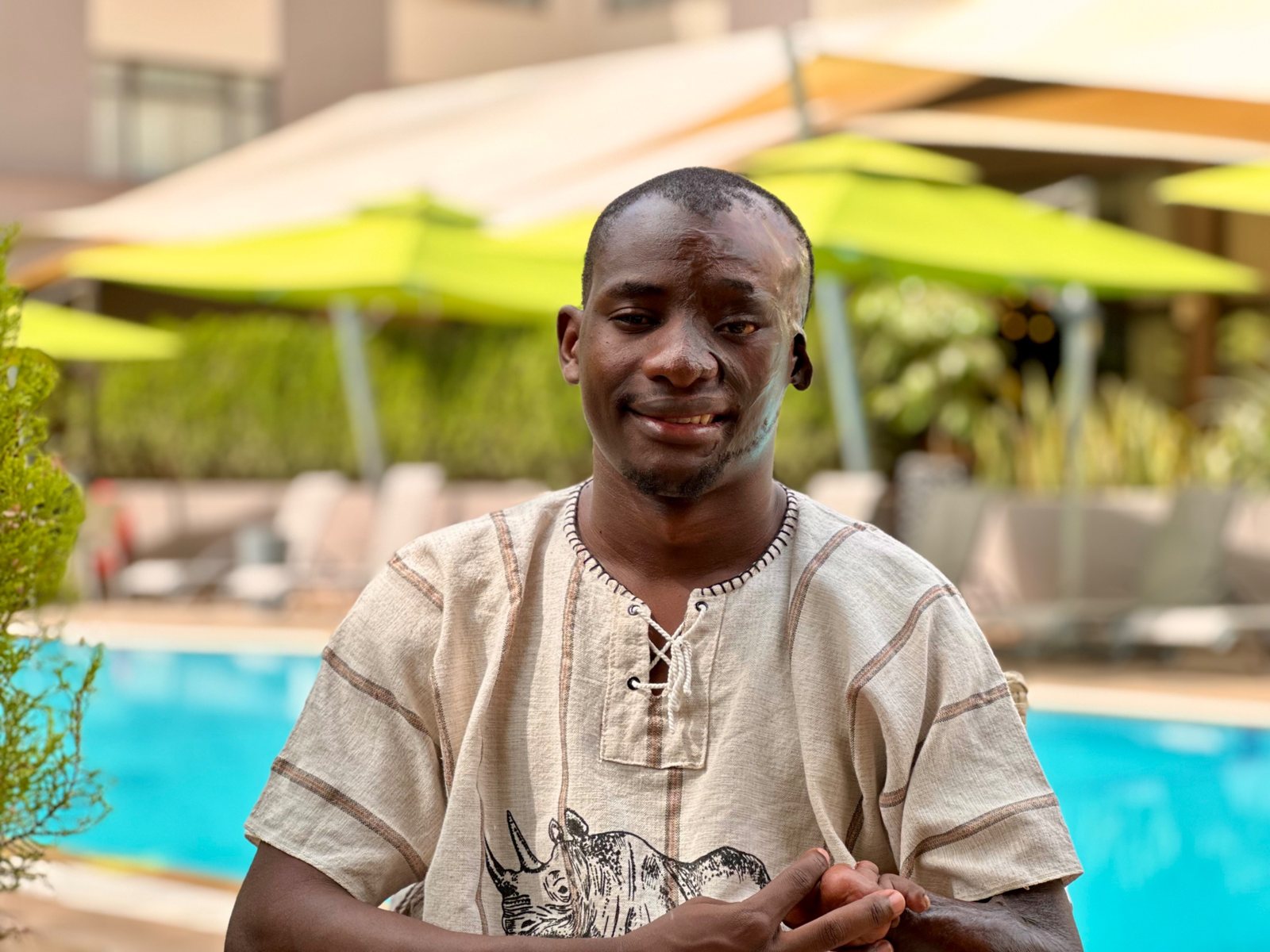
Haya Denis comes from Bondo, Raila's home in Siaya County. Outside the county, he says, introductions are easy: "Once you tell them, I come from where Raila comes from, that is enough."
He believes the democratic space Raila fought for is what made room for leaders with disabilities. "Many leaders with disability in this country are from the academy of Raila Amolo Odinga," he says.
A turn at the microphone
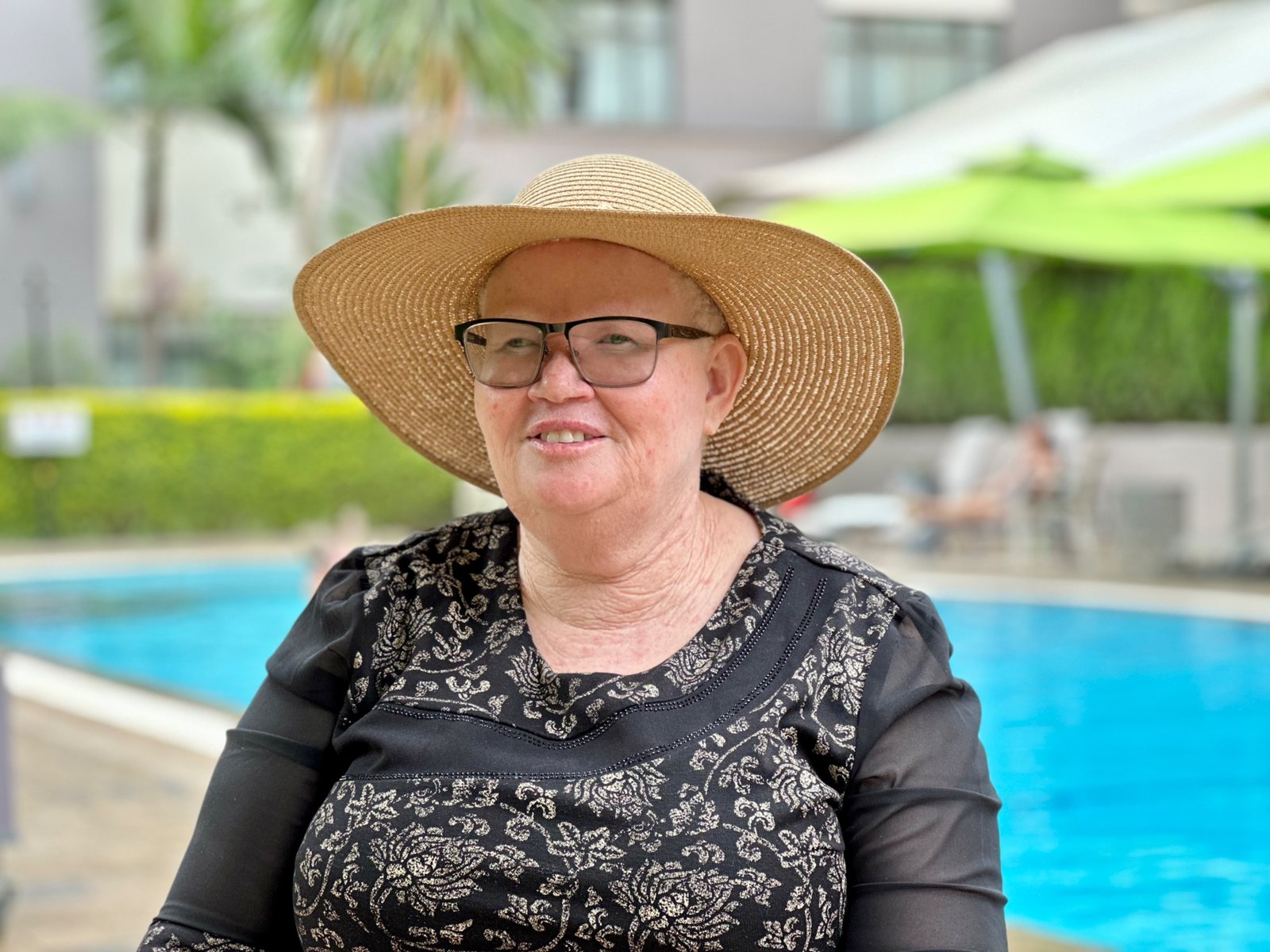
Not every memory comes from inside ODM. Jeriter Mutinda, from Machakos County, ran for Member of County Assembly in 2022 as a person with disability. She met Raila during that campaign, when he came to Machakos with her party leader, Kalonzo Musyoka.
What she remembers is how he ran the rally. Aspirants from different parties were competing for the same seats, and there were tensions. Raila did not take sides, she says. He made sure every aspirant was given a chance to speak to the people they hoped to serve, and she was one of them.
For Mutinda, that is what his legacy comes down to: democracy, and the belief that everyone has the right to run.
The question that remains
Every party now says it includes persons with disabilities, and the law has moved too. The Persons with Disabilities Act, signed in May 2025, affirms the right to political participation and reserves at least five per cent of county government jobs for persons with disabilities. The test these four leaders set is more specific. Are persons with disabilities in the room when decisions are made? Are they given nomination slots that lead somewhere? Are they backed when they run for elected seats, and listened to when they speak?
With the 2027 elections approaching, that test applies to every party, not only the one Raila built. Judy Oyoo's question was addressed to today's leaders, and it still needs an answer.
"Can we still follow the footsteps of Baba? … Let us make sure that his legacy never dies."
Interviews by Include360. Quotes have been lightly edited for clarity. Background draws on the Constitution of Kenya 2010, Parliament's records and public reporting on the Persons with Disabilities Act 2025.
Leave a comment