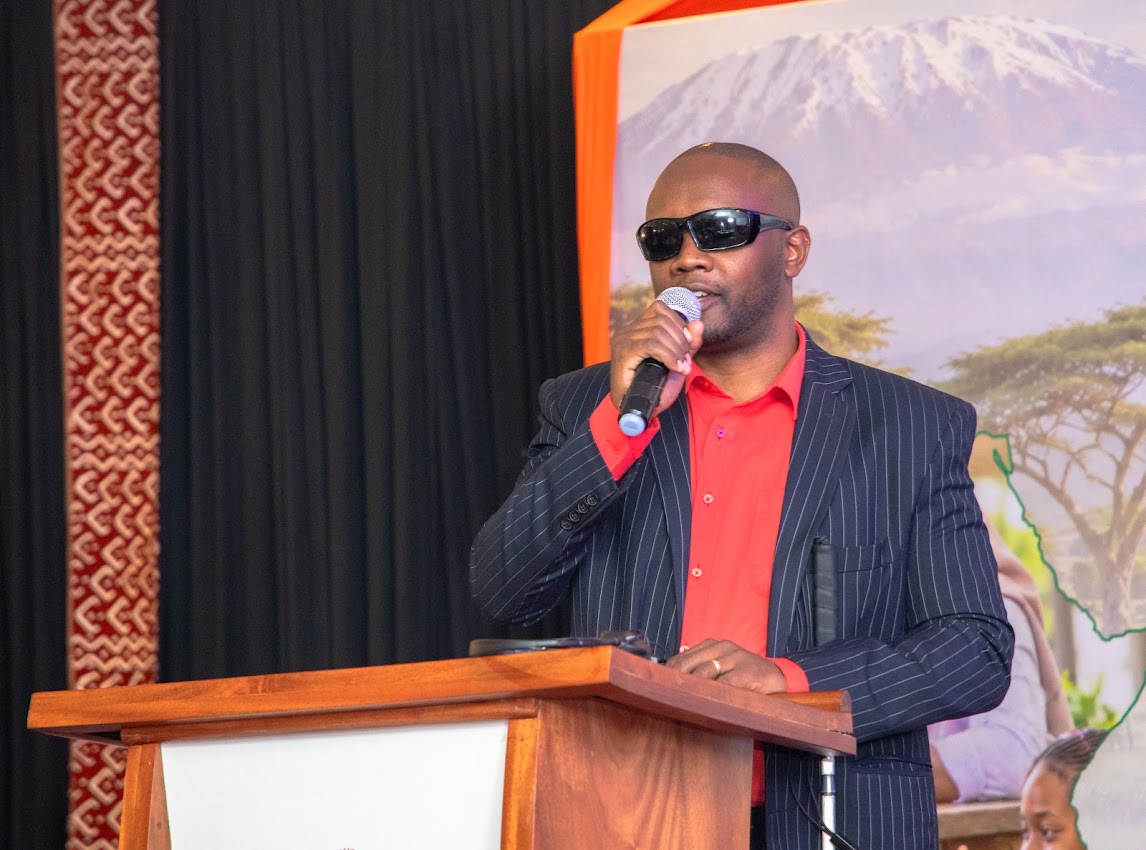
A new regional platform for disability-inclusive education was launched in Nairobi on Tuesday, 13 October 2026. The Inclusive Education (IE) Hub for Africa went live at a hybrid event at the Sarova Stanley Hotel. Government officials, organisations of persons with disabilities (OPDs), diplomats, educators and EdTech exhibitors filled the room, and others joined online.
The Hub's message, displayed on its new website at the launch, is simple: Every learner. Every learning space. Every country.
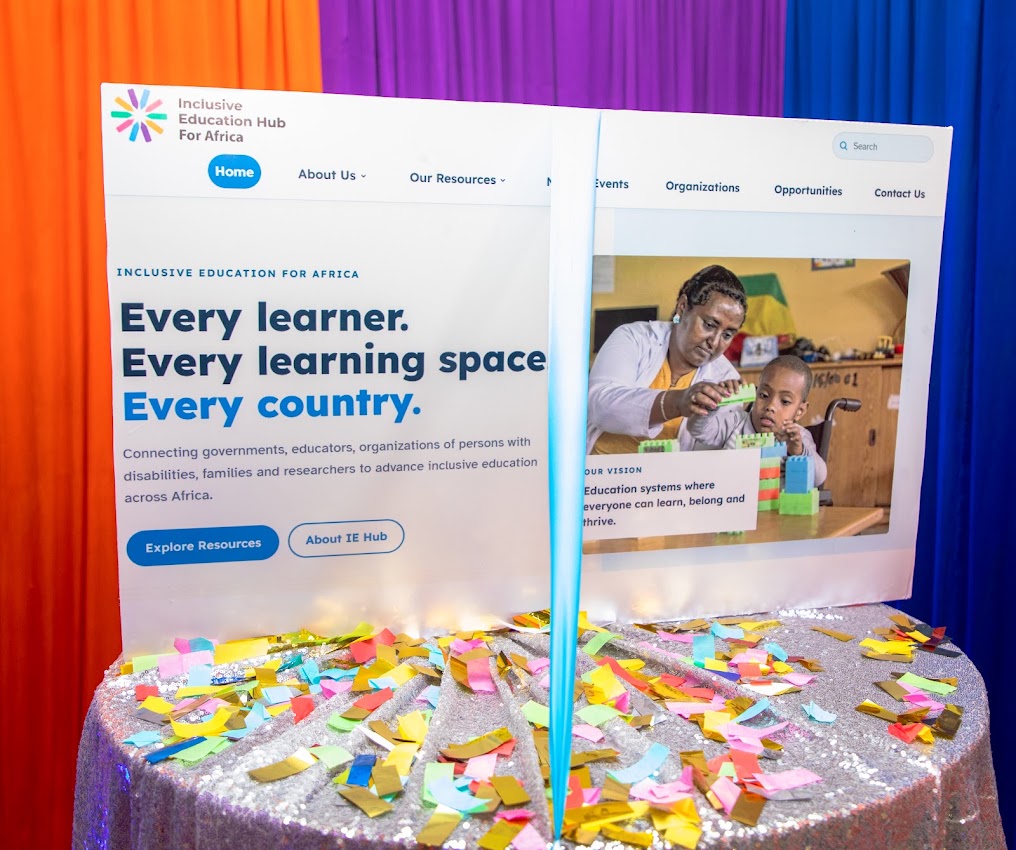
What the Hub is
The IE Hub for Africa is a regional platform and professional community for organisations, institutions and individuals working to make education disability-inclusive, equitable and accessible across the continent. Its organisers describe it as a space to connect, learn, share, collaborate and influence. The aim is to bring African experience, expertise, evidence and solutions closer together.
It is not a training or certification programme. Members get a professional network and a knowledge platform: a shared resource library, webinars, communities of practice, and a members-only space for discussion and peer advice. The Hub's materials say it wants African practitioners to be "not only consumers of knowledge but also producers and contributors of knowledge."
The planned communities of practice cover:
- disability-inclusive education and inclusive teacher development
- assistive technology, digital learning and EdTech
- inclusive education in emergencies
- inclusive early childhood development
- data, evidence and measurement
- gender and inclusion
- accessibility and Universal Design
The Hub says accessibility is "a core principle, not an additional feature". The platform is being designed around accessible content, navigation, documents and images for users with different access needs.
Who was in the room
The launch was convened by LM International. Its Kenya Country Director, David Owino, and its Chief Programs Officer, Fredric Daudon, were down to give the opening remarks. Paula Kontinnen, Chair of the IE Hub Steering Committee (Fida), and Elizabeth Shiakamiri of LM International were scheduled to present the Hub's vision, objectives, strategic priorities and web platform.
The keynote, Building Disability-Inclusive Education Systems in Africa Through Law, Policy and Practice, was programmed for disability-law advocates Wilson Macharia and Sheila Opiyo.
The disability movement had a voice at the lectern. Eng. Eric Ngondi (pictured top) spoke as a Board Member of the African Disability Forum and Board Chair of United Disabled Persons of Kenya (UDPK).
Regional and diplomatic partners were there too. Hon. David Ole Sankok, Member of the East African Legislative Assembly, attended. So did His Excellency Jabril Ibrahim Abdulle, Ambassador of the Federal Republic of Somalia to Kenya and Permanent Representative to the UN Office at Nairobi, UNEP and UN-Habitat. Sweden's Ambassador to Kenya, H.E. Håkan Åkesson, was also listed among the speakers.
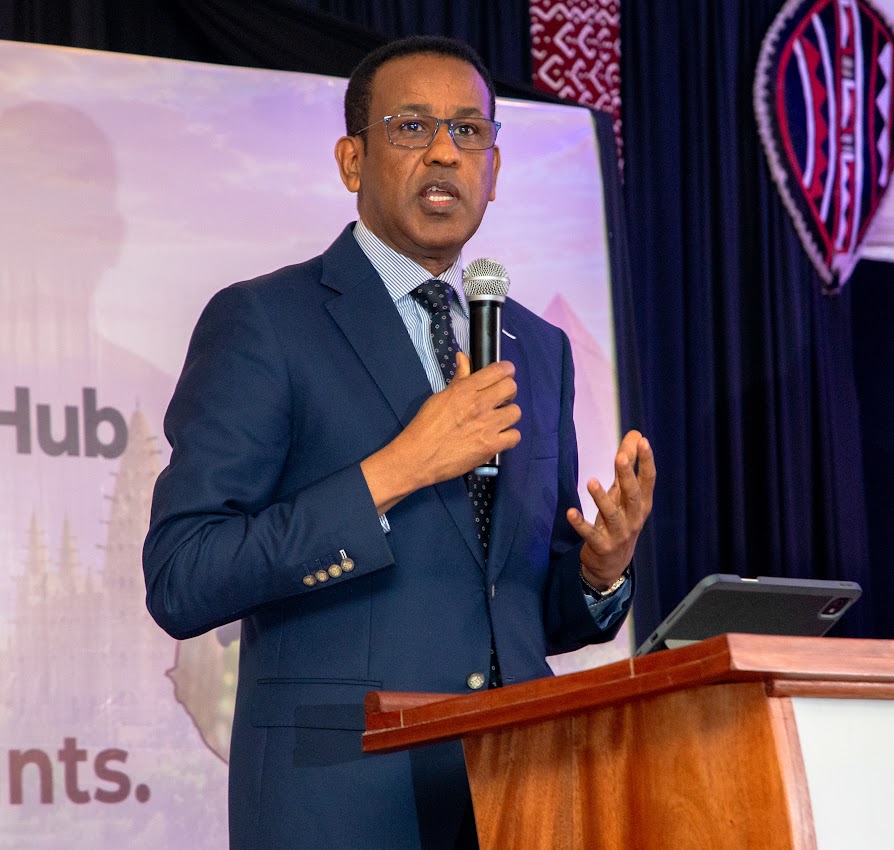
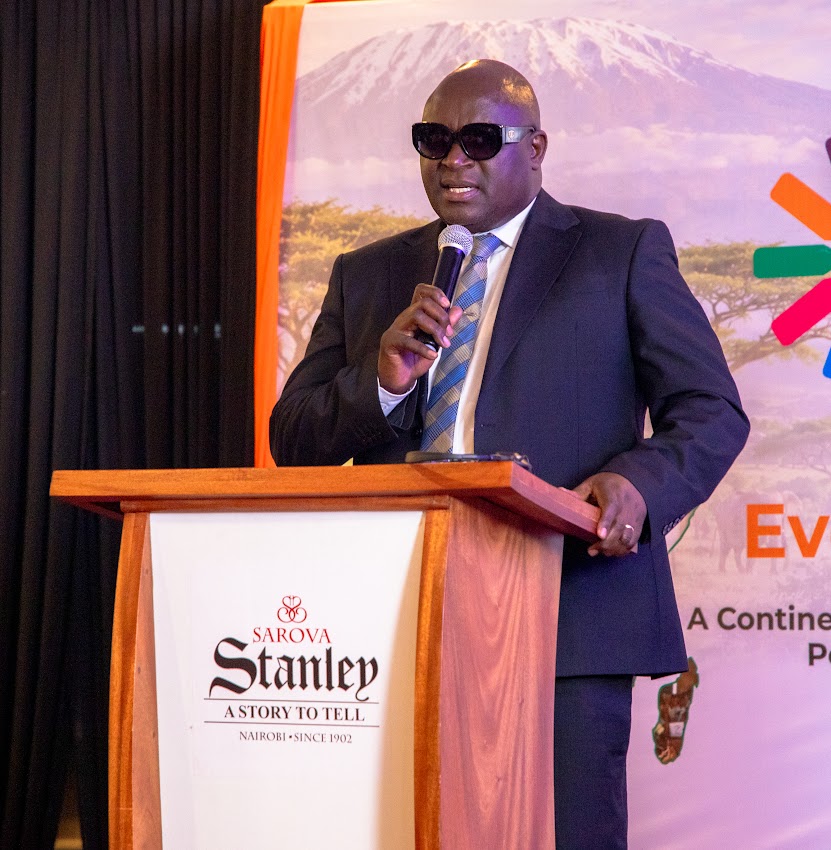
The Ministry of Education closed the formal programme. Mr. Fredrick Haga, OGW, Director of the Directorate of Special Needs Education, represented the Cabinet Secretary for Education, Hon. Julius Migos Ogamba, EBS, for the keynote speech and the official launch of the Hub. Daniel Musango, Country Programme Lead at Sense International Kenya and a member of the IE Hub Steering Committee, was scheduled to give the vote of thanks.
The morning opened with prayers led by Joshua Kelele of FPFK and Bashir Ali of DBG. The Gusa Nafsi Band of the Kenya Society for the Blind led the national anthems of Kenya, the East African Community and the African Union, and Dance into Space performed.
EdTech on the floor
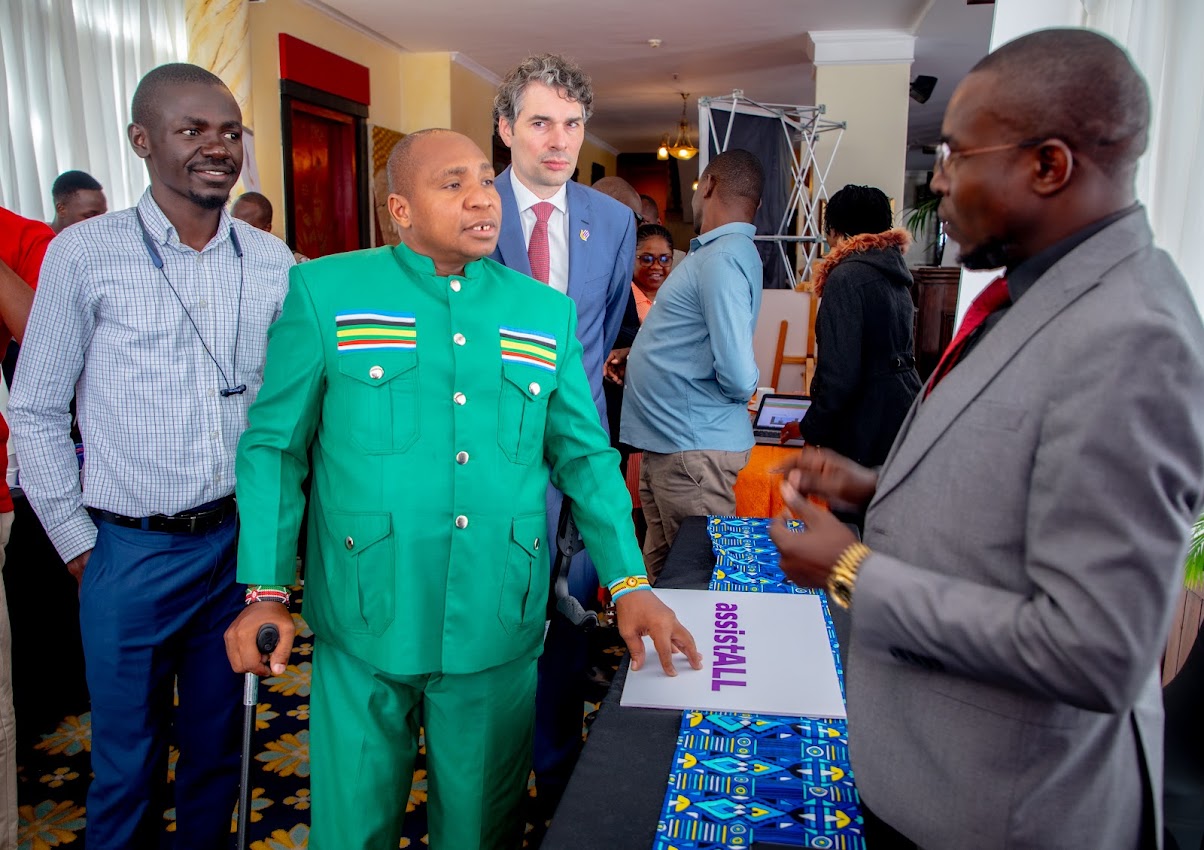
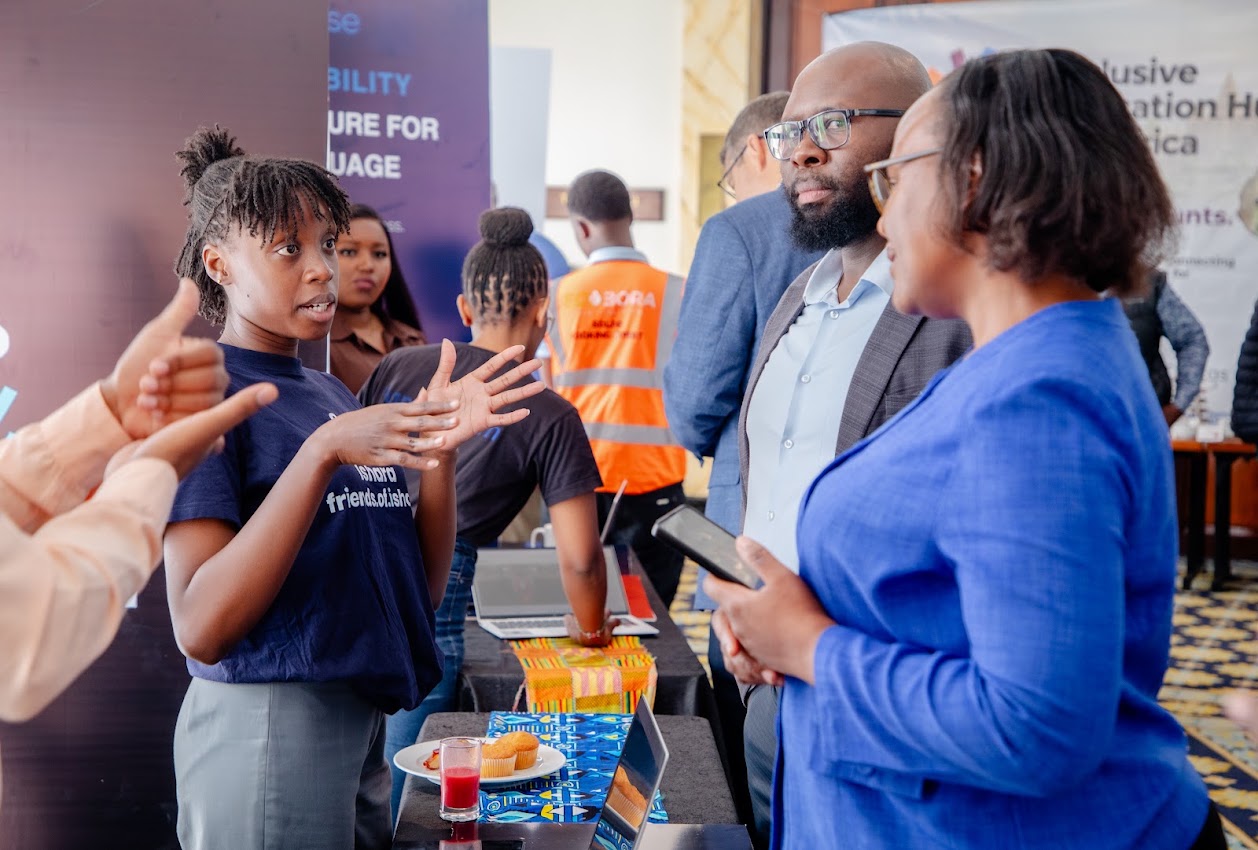
Before the speeches, guests walked an EdTech exhibition. Assistive technology providers, sign language initiatives and inclusive education organisations showed their work.
Why it matters
Learners with disabilities across Africa are still among the most likely to be out of school. The people who know how to change that are often working in isolation: teachers, OPDs, researchers, ministry officials and innovators. The Hub is a bet that connecting them will do more than another report.
The Hub is clear about its limits. It does not promise funding, contracts or partnerships. What it offers is a place where members can find organisations with complementary expertise, share funding calls and opportunities, and, in the Hub's words, "solve problems together, not simply find documents."
That framing matters to the disability movement. For the Hub to deliver on every learner, OPDs and educators with disabilities need to be shaping its communities of practice from the start, not just joining them.
How to join
The Hub is open to NGOs and civil society organisations, governments and education authorities, OPDs, schools and universities, teacher training institutions, researchers, teachers, EdTech and assistive technology innovators, development partners, students and advocates. You do not need to be a disability specialist to join. Organisations outside Africa with a commitment to inclusive education on the continent can also take part.
Membership starts with the IE Hub for Africa Membership Application and Web Profile Form. Applications are reviewed for alignment with the Hub's purpose and principles. Once you are accepted, you can build a profile, join communities and start sharing your work.
This report draws on the official launch programme and the IE Hub for Africa's published FAQs.
Leave a comment