
 Open the Include360 app
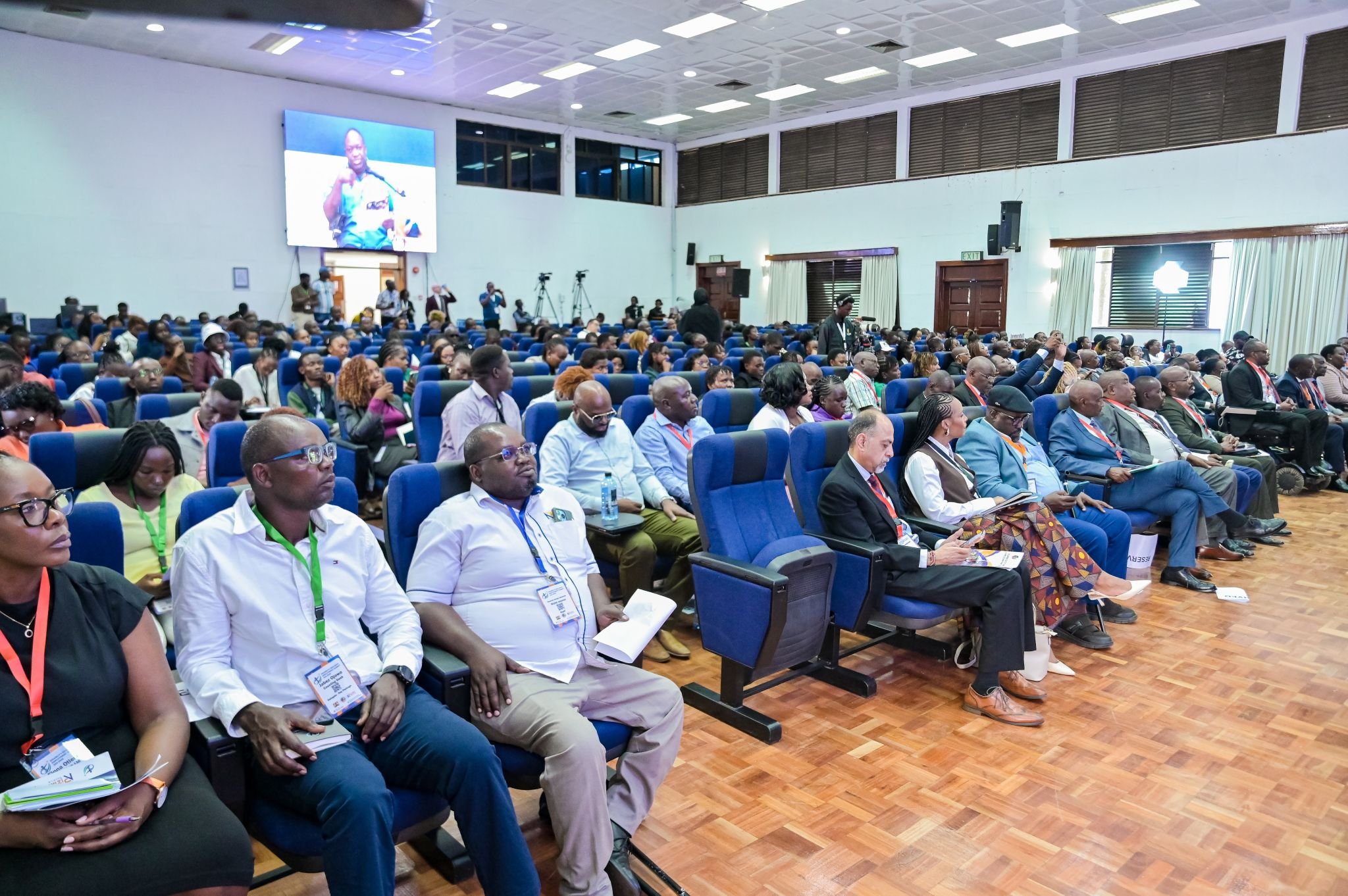
For two days, one hall in Nairobi held a conversation Kenya has needed for a long time. The first Disability Inclusive Employment Summit met on 29 and 30 October 2026 at the Central Bank of Kenya Institute of Monetary Studies, formerly the Kenya School of Monetary Studies. Jobseekers, employers, policymakers and advocates came together under one theme: Breaking Systemic Barriers to Meaningful Employment for Persons with Disabilities.
Riziki Source convened the summit, with the National Council for Persons with Disabilities (NCPWD) as its technical and policy partner. Include360 was on the ground for both days.
The booths
Between sessions, the exhibition space showed the work already happening. Riziki Source showcased its own programmes for jobseekers, employers and entrepreneurs with disabilities. Action Network for the Disabled (ANDY), Senses Hub, United Disabled Persons of Kenya (UDPK) and Uraia Trust were among the organisations with booths, meeting delegates and sharing what they do.
What was said
Fredrick Ouko, Executive Director of Riziki Source, opened the summit with a call for workplaces where persons with disabilities are not only employed, but valued and empowered. He asked everyone in the room to act where they have influence. "If we work together in our spheres of influence, I am certain that we will have a good report in 2027."
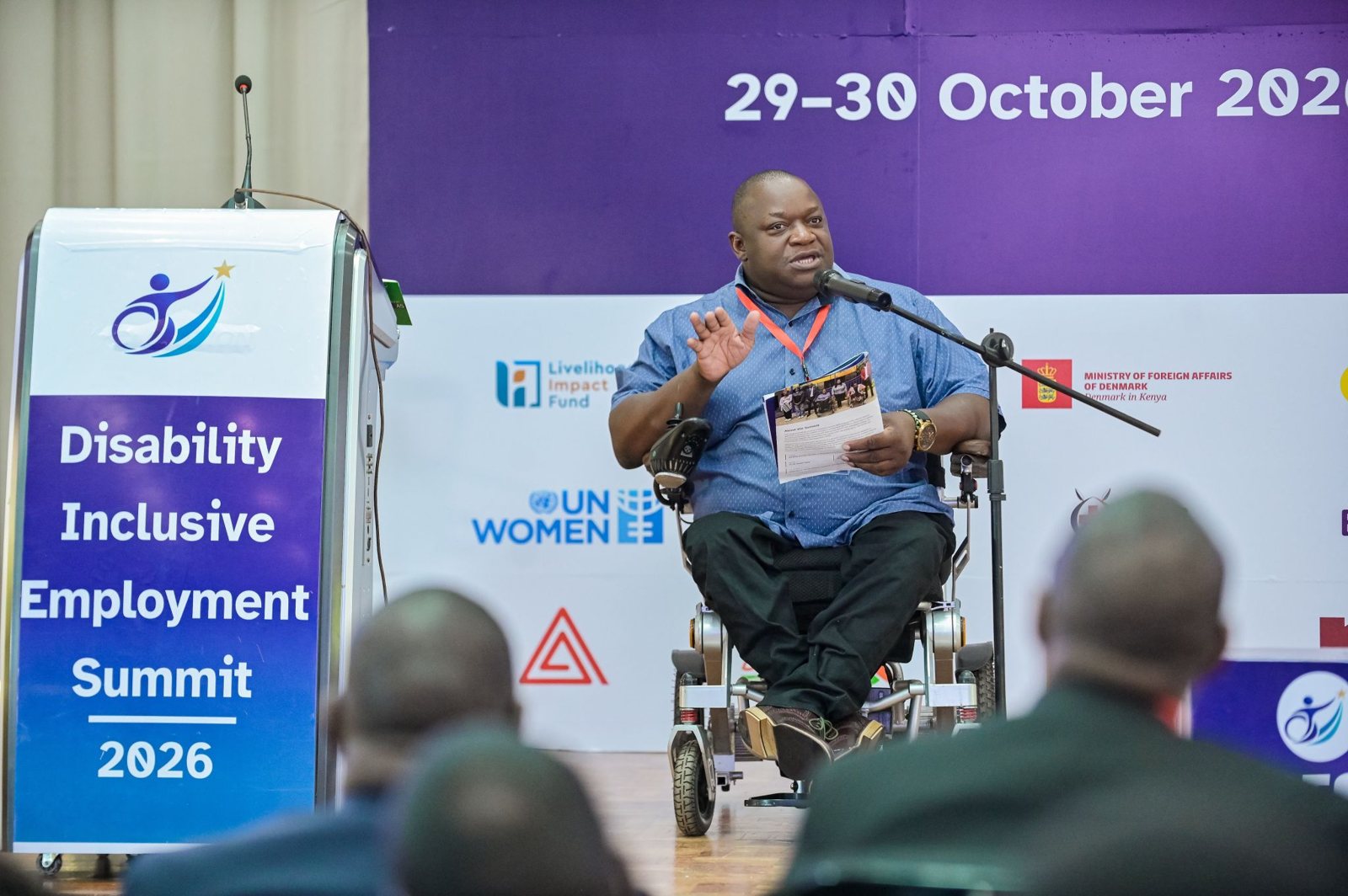
Dr Michael Munene, Executive Director of NCPWD, told organisations that complying with disability laws should come from a shared commitment to dignity and self-sustainability for persons with disabilities. Laws alone cannot earn a living. He said the Council is working with organisations across the country to enforce compliance and open doors.
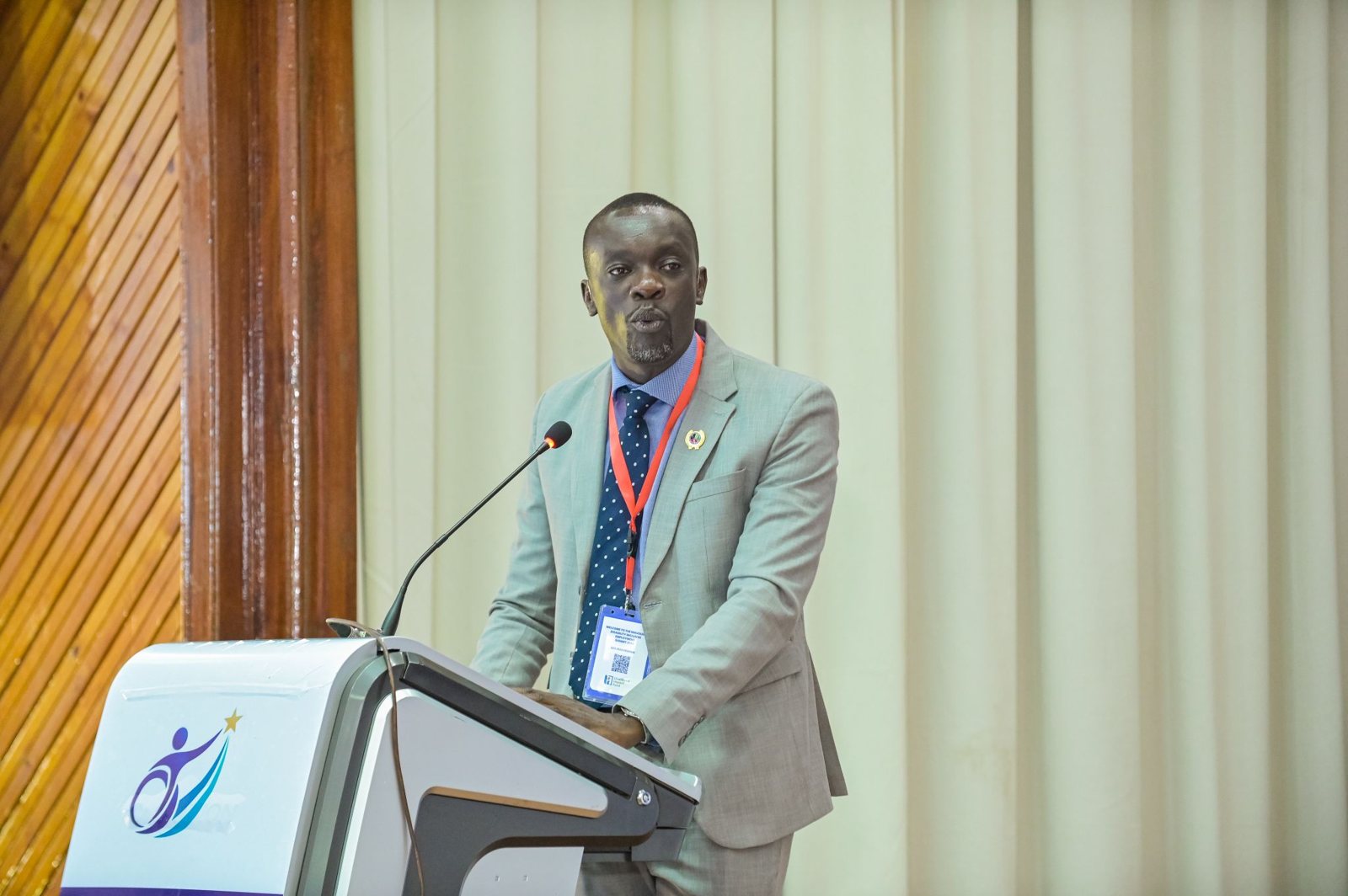
The public service came with numbers. Dr Harun Maalim Hassan, EBS, Commissioner at the Public Service Commission, asked the room to view disability from a wider perspective, and reported that the Commission has gone past the 5% target. "We are at 5.2%," he said.
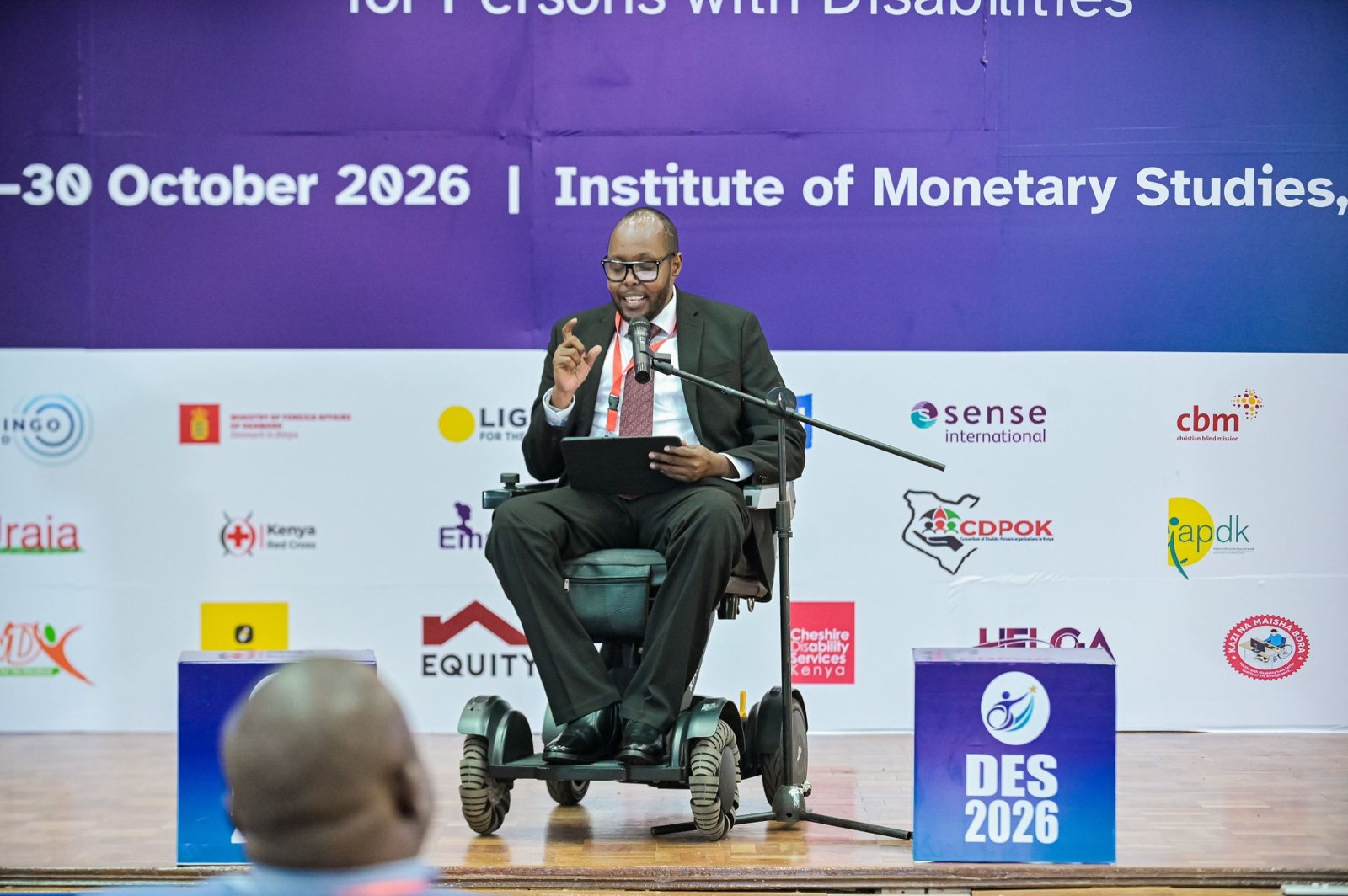
Hon. Isaac Mwaura, Head of the Office of Diversity, Inclusion and Disability Rights, described Kenya as a regional pioneer in disability advocacy and equal opportunity, and stressed practical capacity building. "Inclusive employment is an endeavor to teaching people what they need to do going forward," he said. He urged leaders in every sector to build inclusive workplaces. "Let us build a Kenya where no one is left behind."
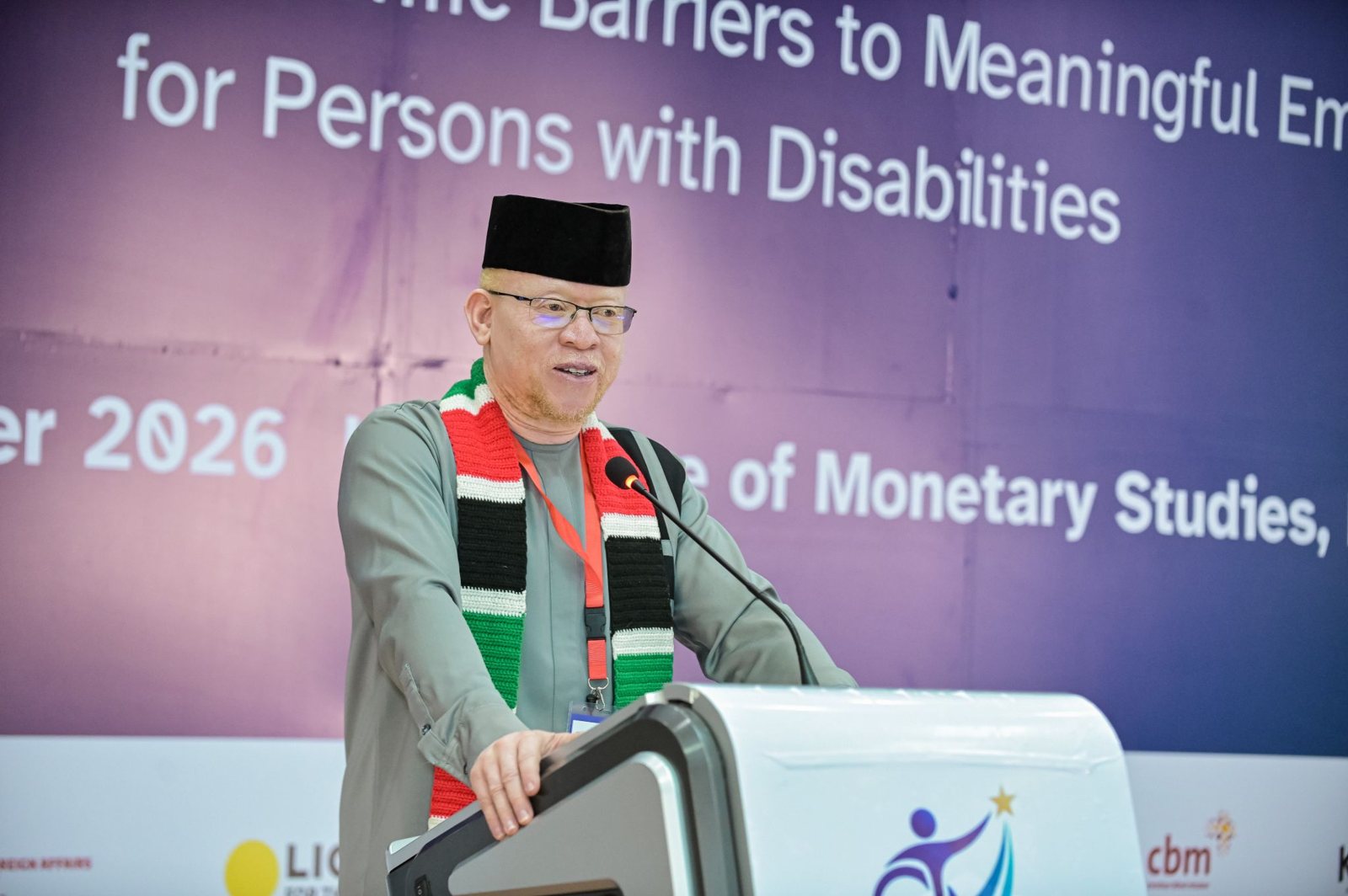
Vishal Khagram, National Director of the Kenya National Chamber of Commerce and Industry (KNCCI), put a direct challenge to business. He called on entrepreneurs to:
- recruit persons with disabilities inclusively
- make workplaces accessible
- invest in skills and career progress
- support disability-led enterprises
- measure progress
On the second day, the breakout sessions brought the conversation down to everyday behaviour. "Minding your language is a step to changing culture," said facilitator Lydia Maina. "Don't stand by and watch someone being discriminated upon."
The commitments
The summit closed with promises, and we will be tracking them.
- The Federation of Kenya Employers (FKE) committed to building data that shows how many persons with disabilities are employed in the private sector.
- KNCCI committed to building data on entrepreneurs and enterprises run by persons with disabilities, and to making sure procurement opportunities reach them.
- The Kenya Revenue Authority (KRA) committed to pushing for the regulations that give tax incentives to persons with disabilities and their caregivers to be put into operation faster. KRA's representatives also asked the disability movement to push with them, and not to sit on the back bench.
- Individual employers made their own pledges. An HR representative from one of Kenya's major banks, for example, committed to increasing employment opportunities for persons with disabilities within the bank.
Data, procurement and tax incentives are the three areas where these promises can be measured. Include360 will follow up with each institution before the next summit.
The second edition
The summit will be back. Organisers say the second edition will be held in October 2027, in the last week of the month, scheduled so that it does not end on a Saturday. The venue has not been announced yet.
We will share the dates on What's happening as soon as they are confirmed. Until then, the question from the hall stands for every employer in Kenya: what will your report say in 2027?
Leave a comment